
 1 / 2
1 / 2
Conveyor
Belt Conveyor
Troughed, flat and inclined belt conveyors for carrying bulk material over long distances, with idlers, pulleys, belts and drives sized to your capacity and layout.
Specifications
- Typical belt width
- 400–1,400 mm, wider by design
- Typical belt speed
- 1–4 m/s
- Typical capacity
- from tens of t/h up to over 1,000 t/h
- Inclination
- up to around 18° for troughed belts, steeper with chevron or sidewall belts
Belt, idlers, pulleys and drive power configured to your duty
Description
Belt Conveyors for Bulk Material Handling
A belt conveyor carries bulk material on a moving rubber belt supported by idlers. It is the most economical way to move large tonnages over long distances, from a short transfer conveyor to a long overland line. We design the belt width, speed, idlers, pulleys and drive to your material, capacity and route.
Conveyor Types
- Troughed belt conveyor: three-roll idlers form the belt into a trough to carry more material. The standard type for bulk solids.
- Flat belt conveyor: for bagged goods, cartons and picking lines.
- Inclined and chevron belt: cleated or chevron belts carry material up steeper inclines.
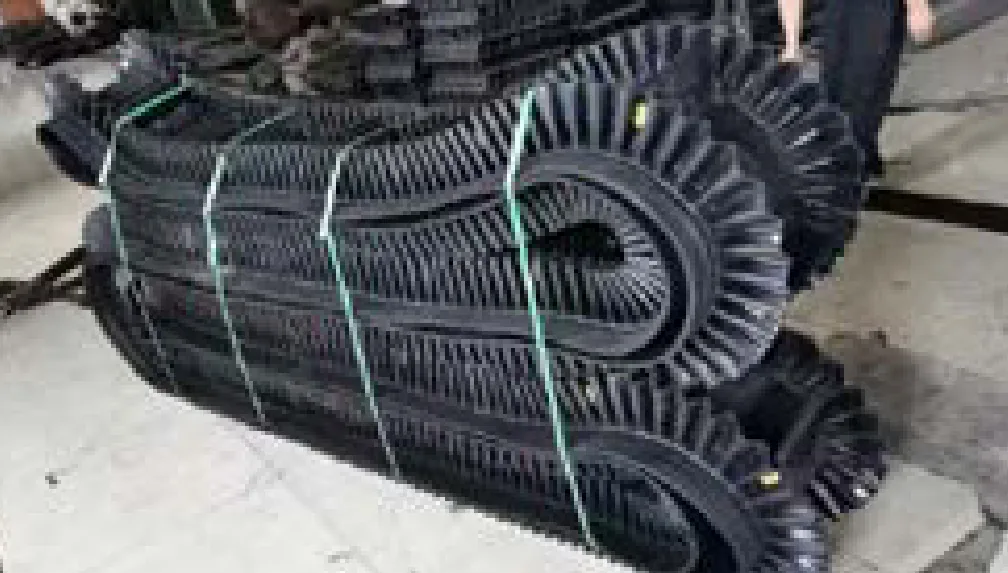
- Sidewall belt conveyor: corrugated sidewalls and cleats lift material up steep inclines in a small footprint.
- Mobile and shuttle conveyors: for stockpiles, loading and distribution.
Core Components
- Belt: fabric or steel-cord, with heat, oil, fire or abrasion resistant covers.
- Idlers: carrying, return, impact and self-aligning idlers.
- Pulleys: drive, tail, snub and bend pulleys, with rubber or ceramic lagging.
- Drive: gear motor or motor with gearbox and fluid coupling, with holdback on inclines.
- Accessories: belt cleaners, skirting, take-up, covers, pull-cord and belt-sway switches.
Spares and Retrofits
Idlers, pulleys, belts and cleaners are available as replacements for most conveyors, see conveyor spare and wear parts. Drive couplings are covered by our coupling range.
Features
- Economical for high tonnage and long distances
- Troughed, flat, inclined, sidewall and mobile designs
- Belt covers chosen for heat, oil, fire or abrasion
- Impact beds and skirting at loading points to limit spillage
- Safety switches for pull-cord, belt sway and speed
- Replacement conveyors and upgrades on existing structures
Applications
- Coal handling in power plants and ports
- Mining, quarry and aggregate plants
- Cement and limestone handling
- Fertilizer, grain and bulk terminals
- Palm oil mills: fresh fruit bunch, kernel and fibre
- Packaging, warehousing and bagged goods
Materials
- Hot-dip galvanized or painted mild steel structure
- Fabric (EP/NN) or steel-cord conveyor belt
- Steel, HDPE or rubber-disc idlers
- Rubber or ceramic lagged pulleys
- Polyurethane or tungsten carbide belt cleaner blades
Belt Conveyor: common questions
Where is Belt Conveyor used?
Coal handling in power plants and ports; Mining, quarry and aggregate plants; Cement and limestone handling; Fertilizer, grain and bulk terminals; Palm oil mills: fresh fruit bunch, kernel and fibre; Packaging, warehousing and bagged goods.
What materials are available for Belt Conveyor?
Hot-dip galvanized or painted mild steel structure; Fabric (EP/NN) or steel-cord conveyor belt; Steel, HDPE or rubber-disc idlers; Rubber or ceramic lagged pulleys; Polyurethane or tungsten carbide belt cleaner blades.
What do you need to quote Belt Conveyor?
Material handled, bulk density and lump size; Capacity (t/h) and material temperature; Conveying length, lift height or layout drawing; Site location and quantity.
Who supplies Belt Conveyor in Indonesia?
PT Misuba Guna Indonesia supplies Belt Conveyor to industrial plants across Indonesia from its base in Tangerang, Banten. Send your operating conditions and quantity to sales@misubaguna.com or WhatsApp +62 811-8715-671 for a quotation.
-
-
-
Photo on request
-
Need a price, sizing or a drawing for Belt Conveyor?
Send your operating conditions and quantity. Our sales team will check the details and quote.