
 1 / 3
Molded Fiber
Molded Fiber Plant
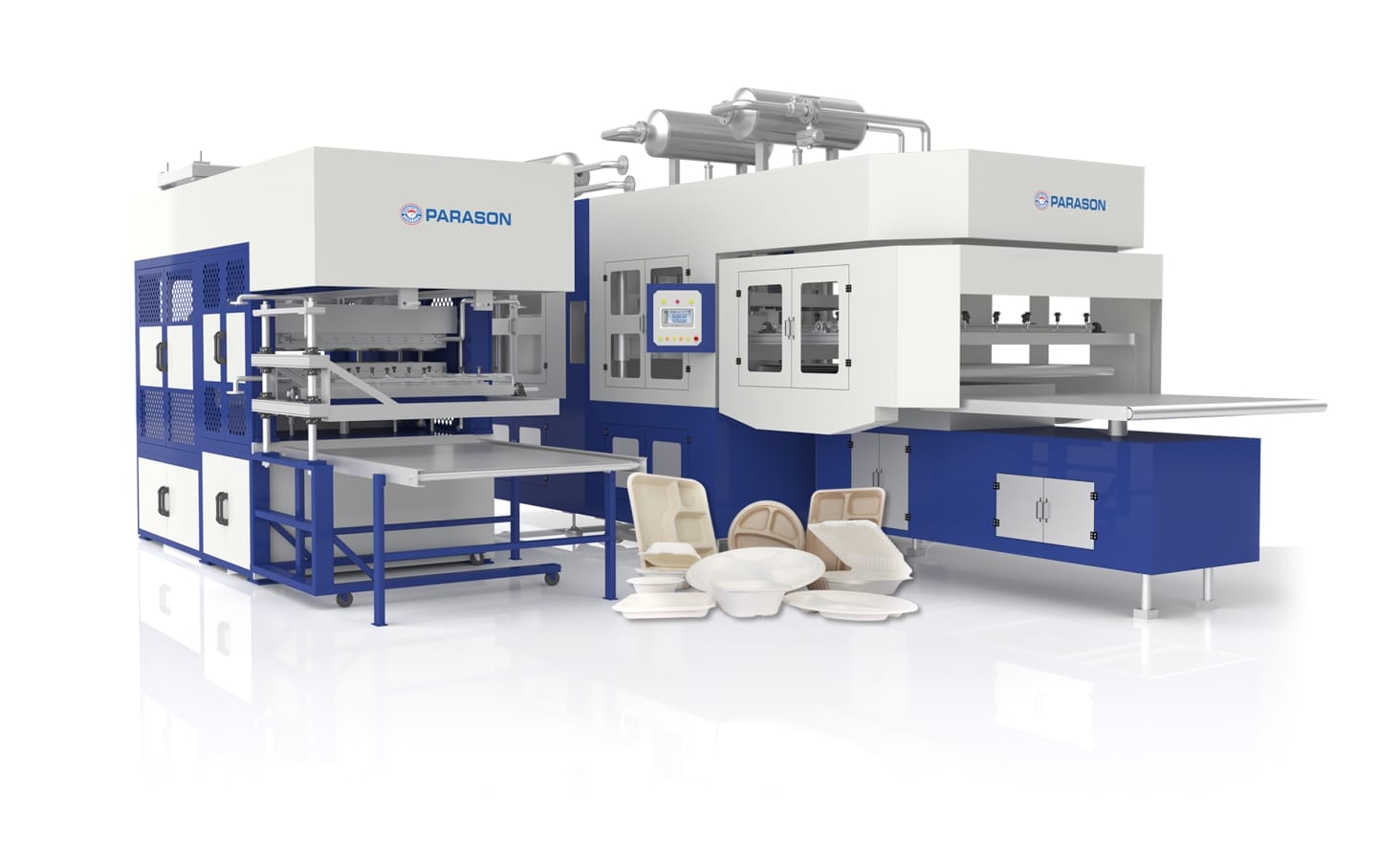
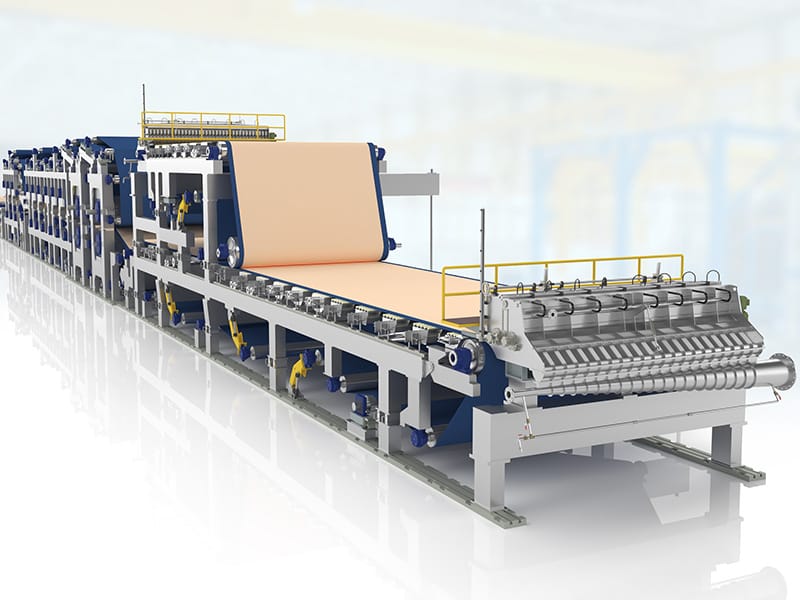
Automated pulp molding production lines for eco-friendly biodegradable tableware, egg packaging, industrial protective packaging, and medical disposables.
Specifications
- Production Output
- Tableware (500–5,000 kg/day), Egg Trays (1,000–8,000 pcs/hr)
- Platen Dimensions
- 800×600 mm, 1100×800 mm, 1500×1500 mm
- Hot Press Temperature
- 160°C – 230°C
- Hydraulic Clamping Force
- 20 Tons – 150 Tons
- Product Density
- 0.60 – 0.95 g/cm³
- System Power Rating
- 80 kW – 450 kW
Description
Molded Fiber & Pulp Molding Plant
Our Automated Molded Fiber & Pulp Molding Plants convert recycled paper (ONP, OCC), sugarcane bagasse, bamboo pulp, and agricultural straw into sustainable, high-value molded pulp products. Designed for automatic forming, in-mold thermoforming drying, robotic handling, and precision trimming, these turnkey lines produce eco-friendly packaging and biodegradable foodware as viable alternatives to single-use plastics.
Production Line Configurations & Workflow
- Precision Thermoforming Tableware Lines: Fully automatic forming, high-temperature in-mold drying, and hydraulic hot-press calibration. Produces smooth, water-resistant, oil-resistant food containers without manual handling.
- Rotary / Reciprocating Industrial & Egg Tray Lines: High-capacity multi-face rotary forming drums paired with continuous multi-pass gas or steam drying tunnels for egg trays, fruit packaging, and heavy industrial end-caps.
Four-Step Automated Process
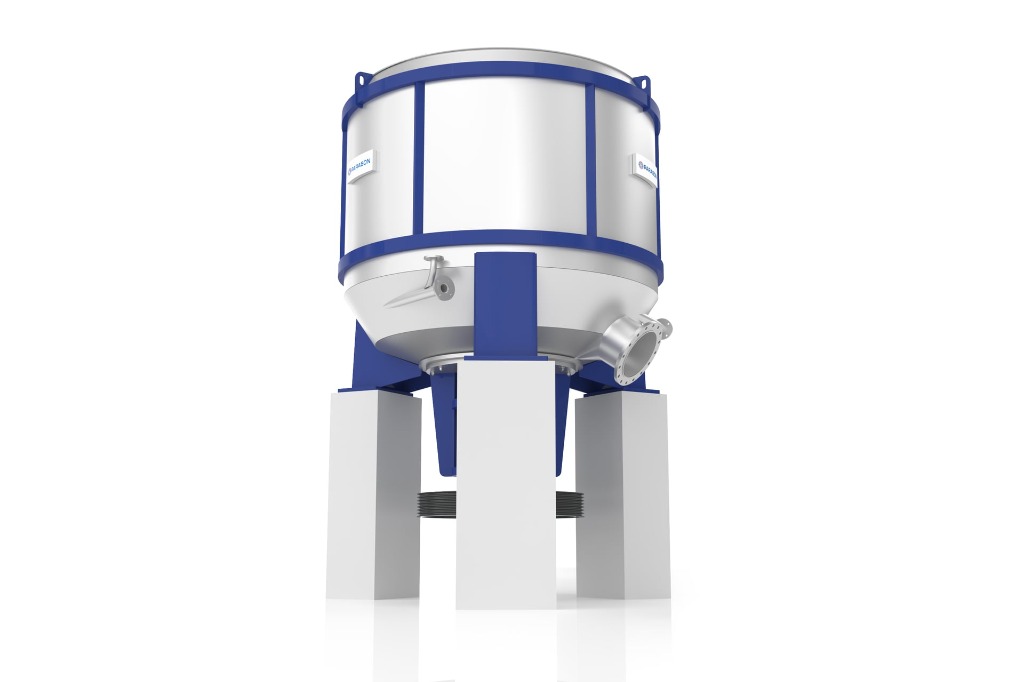
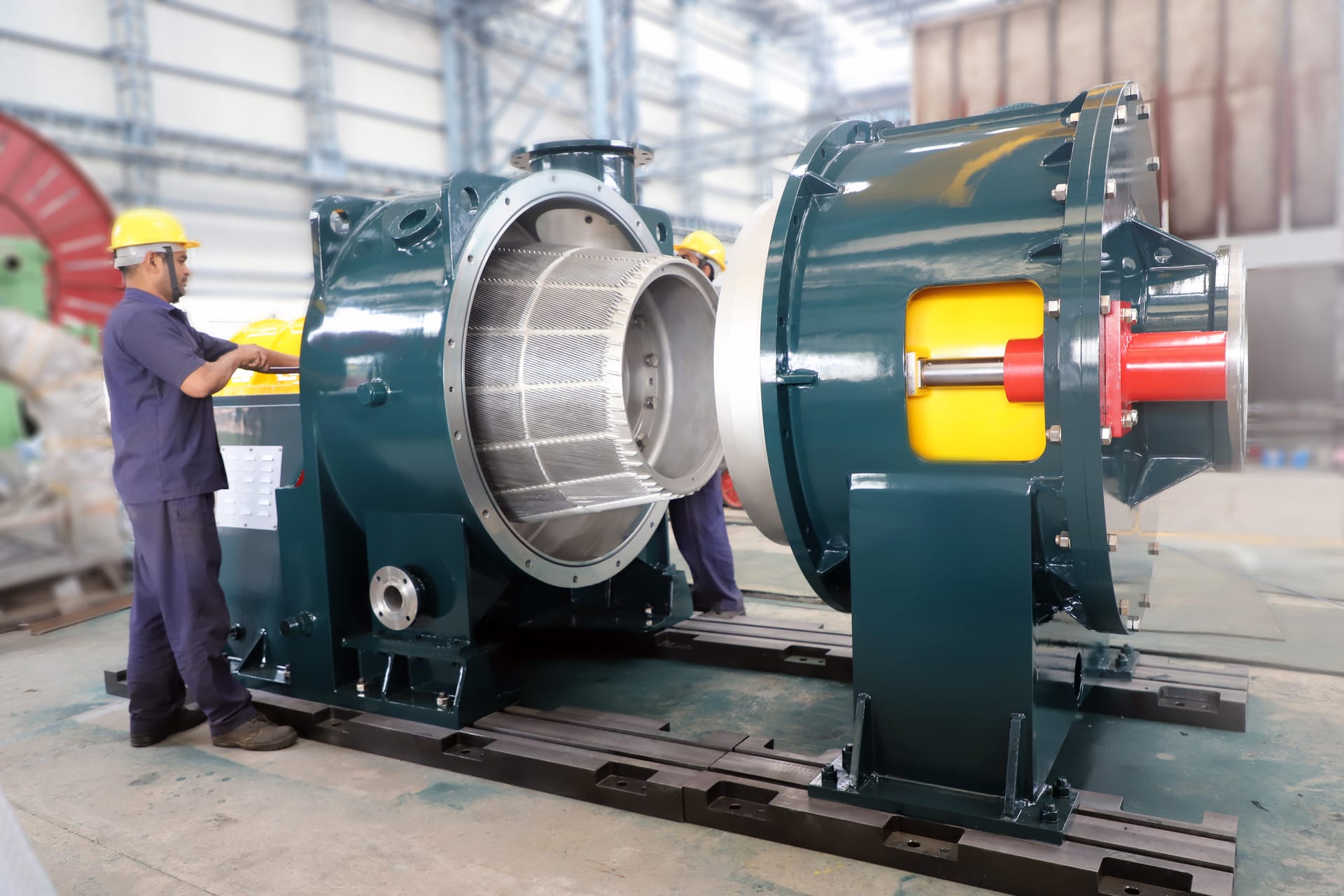
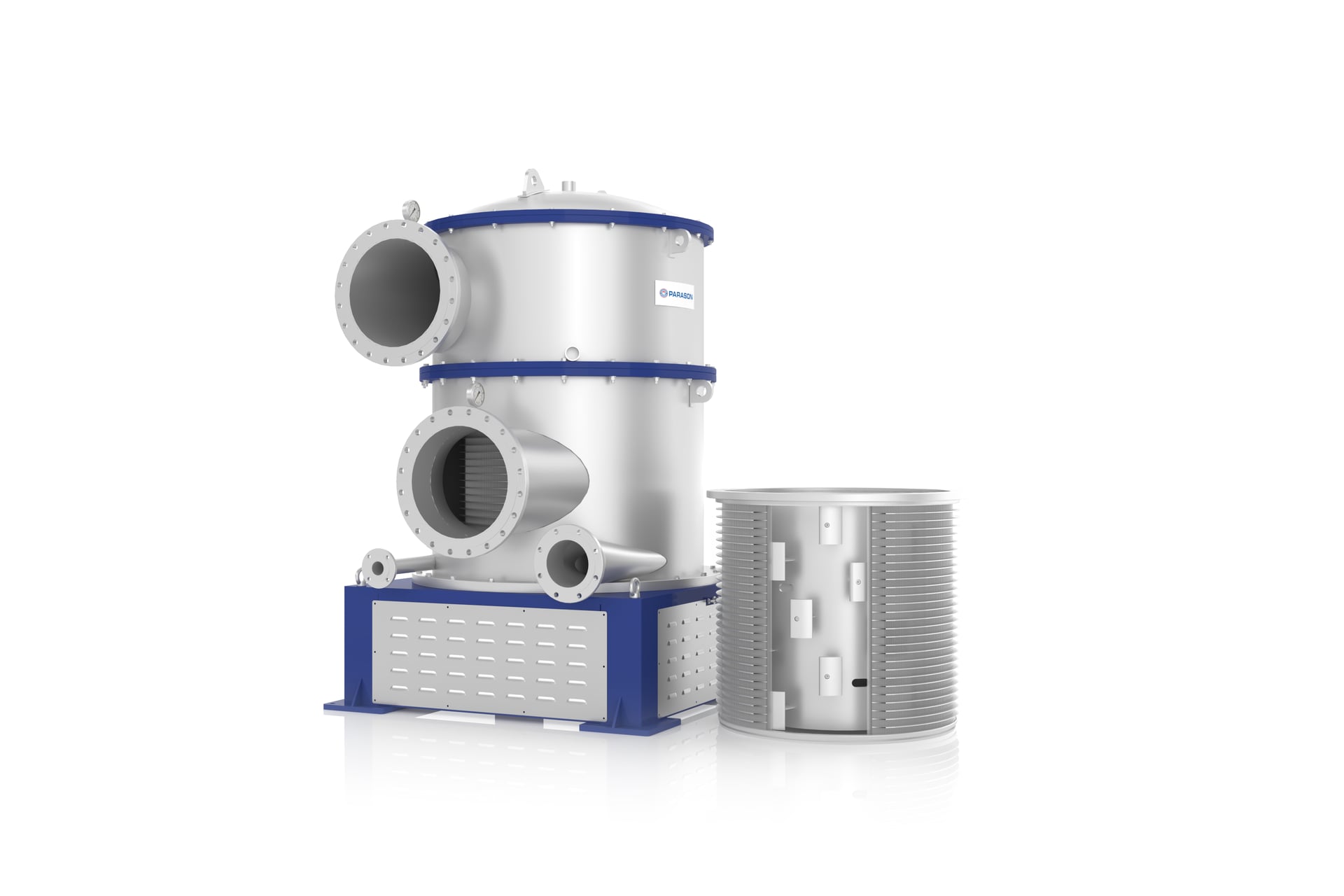
- Stock Preparation: Raw fibers are pulped, screened, and blended with water/oil repellent additives in computerized dosing tanks.
- Vacuum Forming: Slurry is drawn onto CNC-machined forming molds using vacuum suction and floating pulp inlet control for uniform wall thickness.
- In-Mold Thermoforming & Hot Pressing: Hydraulic hot-pressing at 180°C to 220°C dries and cures the wet pulp under high tonnage, yielding smooth, rigid products.
- Edge Trimming & Robotic Stacking: Automated precision die-trimming removes flash, while 6-axis robotic arms stack finished items onto conveyors.
Features
- Fully Automatic Production Cycle from slurry suction to hot pressing, trimming, and stacking
- Large Platen Surface (up to 1500 × 1500 mm) maximizing multi-cavity output
- In-Mold Thermoforming Technology creating smooth, plastic-like surfaces on both sides
- Multi-Raw-Material Processing: Sugarcane bagasse, bamboo, wheat straw, ONP, and OCC
- Energy-Optimized Electric/Thermal Oil Heating Platens with insulated shrouds
- Integrated Safety Light Curtains and PLC Touchscreen Control Interface
- Custom CNC-Machined Aluminum (6061-T6) or Stainless Steel Mold Tooling
Applications
- Biodegradable Foodware: Plates, bowls, lunchboxes, coffee lids, and meal trays
- Poultry & Agriculture: 30-cell egg trays, retail egg cartons, and fruit packaging
- Industrial Packaging: Cushioning end-caps for electronics, appliances, and hardware
- Medical Disposables: Urinals, kidney dishes, bedpans, and hospital pulp containers
Materials
- CNC-Machined Aircraft Aluminum Alloy (6061-T6) / SS-316 Molds
- Heavy Welded Structural Steel Frame with Epoxy Anti-Corrosion Finish
- Ductile Cast Iron / Forged Steel Heating Platens
Molded Fiber Plant: common questions
Where is Molded Fiber Plant used?
Biodegradable Foodware: Plates, bowls, lunchboxes, coffee lids, and meal trays; Poultry & Agriculture: 30-cell egg trays, retail egg cartons, and fruit packaging; Industrial Packaging: Cushioning end-caps for electronics, appliances, and hardware; Medical Disposables: Urinals, kidney dishes, bedpans, and hospital pulp containers.
What materials are available for Molded Fiber Plant?
CNC-Machined Aircraft Aluminum Alloy (6061-T6) / SS-316 Molds; Heavy Welded Structural Steel Frame with Epoxy Anti-Corrosion Finish; Ductile Cast Iron / Forged Steel Heating Platens.
What do you need to plan a Molded Fiber Plant project?
Products to make (egg trays, fruit trays, industrial packaging, tableware); Output (pieces per hour or t/day); Raw material and drying method (sun, gas, diesel); Site area, energy source and level of automation; Project timeline.
Who supplies Molded Fiber Plant in Indonesia?
PT Misuba Guna Indonesia supplies Molded Fiber Plant projects across Indonesia from its base in Tangerang, Banten. Each project starts with a technical discussion and a site visit, followed by a proposal engineered around your process, capacity and site. Contact our engineering team at sales@misubaguna.com or WhatsApp +62 811-8715-671 to discuss your plans.
Planning a Molded Fiber Plant project?
Every project is engineered around your process, capacity and site. Tell us about your plans and our engineering team will arrange a technical discussion and site visit, then prepare a proposal.